Lip Enhancement Aftercare Day-by-Day: Your Recovery Timeline
Lip Enhancement Aftercare Day-by-Day: Your Complete Recovery Timeline
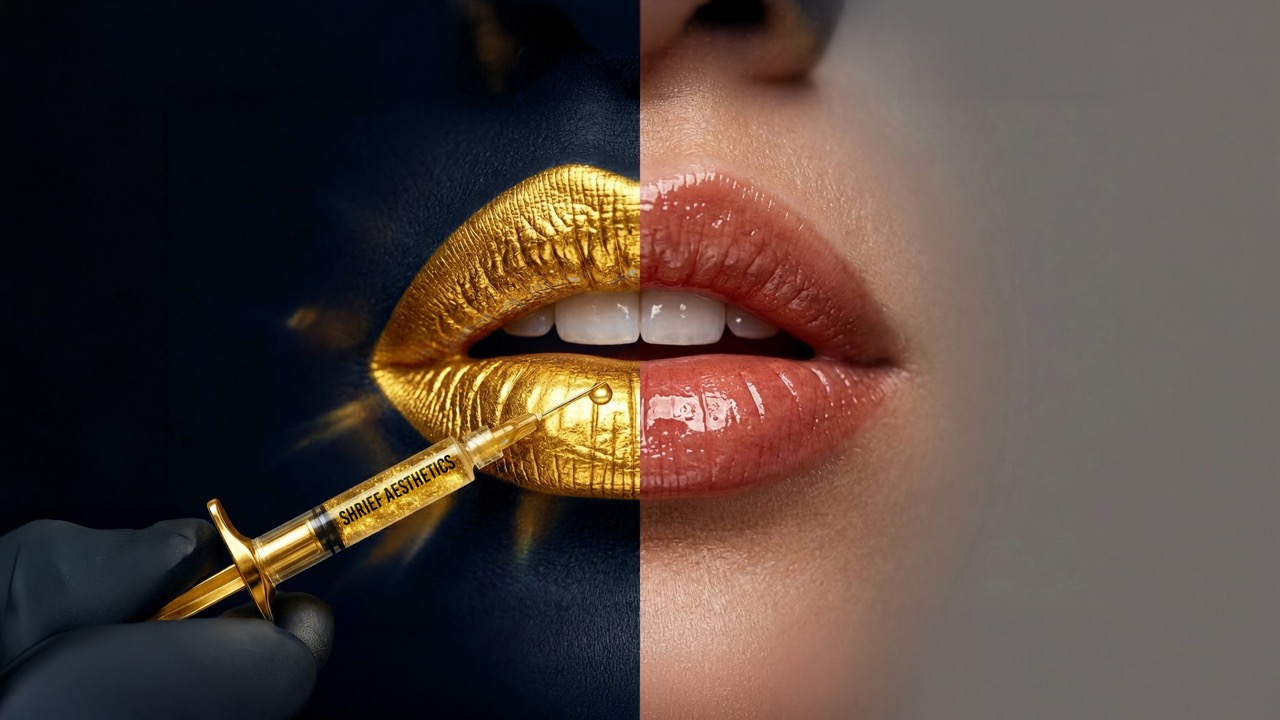
Lip filler recovery can feel overwhelming when swelling peaks and lips look nothing like expected. The healing timeline follows predictable patterns, yet each person experiences unique challenges along the way.
Understanding what happens during each recovery stage helps manage expectations. Smart lip enhancement aftercare choices determine whether results look natural or require correction later.
The Science Behind Swelling and Healing
Recovery begins the moment needles pierce lip tissue. The body responds by sending fluids and immune cells to protect the injection sites.
Why Lips Swell More Than Other Areas
Lip tissue contains numerous blood vessels packed into a small space. When trauma occurs, even minor needle punctures trigger significant fluid retention. Hyaluronic acid fillers actively draw water toward themselves immediately after placement, adding to initial volume increases. The lips lack strong supportive connective tissue, allowing swelling to expand outward freely compared to firmer areas like cheeks or jawlines.
The Role of Individual Physiology
Recovery timelines vary significantly between patients. Factors influencing swelling include:
- Natural metabolic rates
- Pre-treatment hydration levels
- Menstrual cycle timing
- Previous filler history
- Individual inflammatory responses
The First 24 Hours: The Critical Window
The initial hours demand strict adherence to lip enhancement aftercare protocols. The filler remains malleable during this period and the injection sites have not sealed.
Immediate Sensations (Hours 1-4)
Most patients experience numbing effects wearing off within two hours. A feeling of tightness or pressure develops as fluid rushes to the area. Lips often feel stiff or unnatural when talking or smiling. Mild throbbing remains completely normal during this phase.
Essential First-Day Restrictions
Protect the fresh results by avoiding:
- Hot beverages that increase blood flow
- Drinking through straws (the puckering motion moves filler)
- Vigorous chewing or eating messy foods
- Applying lip balms or makeup
- Sleeping flat (elevate the head instead)
Day 2-3: Peak Swelling and "The Panic Phase"
Many patients wake up on day two feeling alarmed. Swelling typically peaks between 24 and 48 hours post-treatment.
What You See vs. What Is Real
Morning swelling appears most severe due to lying down overnight. The upper lip often protrudes more than the lower lip. Bruising changes from deep purple to varied shades as blood breaks down. The lips may look completely asymmetrical, duck-like, or overly large. This exaggerated appearance rarely reflects final results.
Managing Discomfort Effectively
Continue icing protocols carefully. Apply cold compresses using clean gauze or cloth—never direct ice. Take prescribed or recommended pain relief, strictly avoiding blood-thinning medications like aspirin or ibuprofen. Pineapple core or bromelain supplements can help accelerate bruise healing during this peak phase.
Day 4-7: The Settling Period
The dramatic swelling recedes noticeably by day four. Patients usually feel more comfortable appearing in public and returning to normal routines.
The "Lumpy" Phase
As swelling decreases unevenly, patients often discover small lumps or firm areas. These firm spots occur as the filler begins integrating with natural tissue. The hyaluronic acid binds with water molecules, occasionally creating temporary concentrations. Do not attempt to massage or flatten these areas unless specifically instructed by your injector.
Resuming Normal Activities
Light exercise can usually resume around day four. Patients may restart normal skincare routines and apply gentle lip hydration. Makeup application becomes safe, provided brushes and tools are thoroughly cleaned to prevent infection. Avoid strenuous cardio or hot yoga until day seven.
Week 2: Tissue Integration
The two-week mark represents a major milestone in lip enhancement aftercare. The lips begin feeling like natural tissue rather than filled spaces.
The Hydration Shift
By week two, the hyaluronic acid stops actively pulling maximum water and settles into a maintenance state. The lips may actually feel slightly dry as this shift occurs. Consistent external hydration with medical-grade lip balms becomes essential. The initial dramatic volume drops, revealing a more subtle, natural enhancement.
Addressing Lingering Concerns
Most bruising resolves completely by this stage. Any remaining asymmetry usually reflects natural anatomical differences rather than filler placement issues. Firmness softens significantly, allowing normal, flexible movement during speech and eating.
The 4-Week Final Reveal
Complete healing takes four full weeks. The filler has fully integrated with the surrounding tissue structure.
Assessing True Volume
The lips now show their final shape and volume. Many patients experience "filler blindness" at this stage—forgetting their original baseline and feeling the lips look too small. Compare current results with original before photos rather than immediate post-treatment photos.
When to Consider Touch-Ups
The four-week mark provides the first safe opportunity to add more volume or correct true asymmetry. Waiting this full cycle ensures fresh filler isn't placed over residual swelling. It allows the injector to accurately assess how previous filler behaved in the tissue.
Recognizing Complications vs. Normal Healing
Understanding the difference between normal recovery and true complications prevents unnecessary anxiety and ensures prompt medical attention when needed.
Normal Healing Signs
These symptoms rarely warrant concern during the first two weeks:
- Variable swelling that changes throughout the day
- Bruises migrating outward as they heal
- Temporary stiffness when moving lips
- Mild tenderness when pressing the lips together
Red Flags Requiring Attention
Contact your provider immediately if experiencing:
- Severe, worsening pain that throbs
- Skin turning white, gray, or mottled
- Excessive heat, warmth or pus
- Allergic reactions with widespread redness
- Asymmetry that increases rather than improves
- Persistent lumps that don't soften by two weeks
Emergency Situations
Rare but serious complications require urgent medical attention. Vascular occlusion, though extremely uncommon, can cause tissue death if not treated immediately. Signs of vascular compromise include severe pain, white or gray skin color, and areas that feel cold to the touch. These symptoms demand emergency room evaluation.
Ready for Beautiful, Natural-Looking Lips?
Successful lip enhancement aftercare requires patience, planning, and proper technique. Following these guidelines helps ensure smooth recovery and stunning results that look naturally beautiful.
The investment in quality lip enhancement extends beyond the initial treatment cost. Proper lip filler aftercare protects that investment while maximizing both immediate comfort and long-term satisfaction. Taking time to heal properly sets the foundation for confidence that lasts. Those who rush recovery or skip important steps often face complications that require additional treatments to correct.