The Truth About the InMode Upgrade We Made
There is a room at the back of this clinic full of equipment that used to be the best available. None of it is offered to patients any more. That decision is the whole of my philosophy on technology.
I bought my first InMode platform in 2019 — the first practitioner in the Maritimes to do so. Morpheus8 did not exist yet. What I ran then was the original Optimas platform with Fractora, Forma face and Forma body, Body FX, Mini FX and Votiva.
Every one of those was current technology. Every one produced results I was satisfied with at the time. All of it is now in storage.
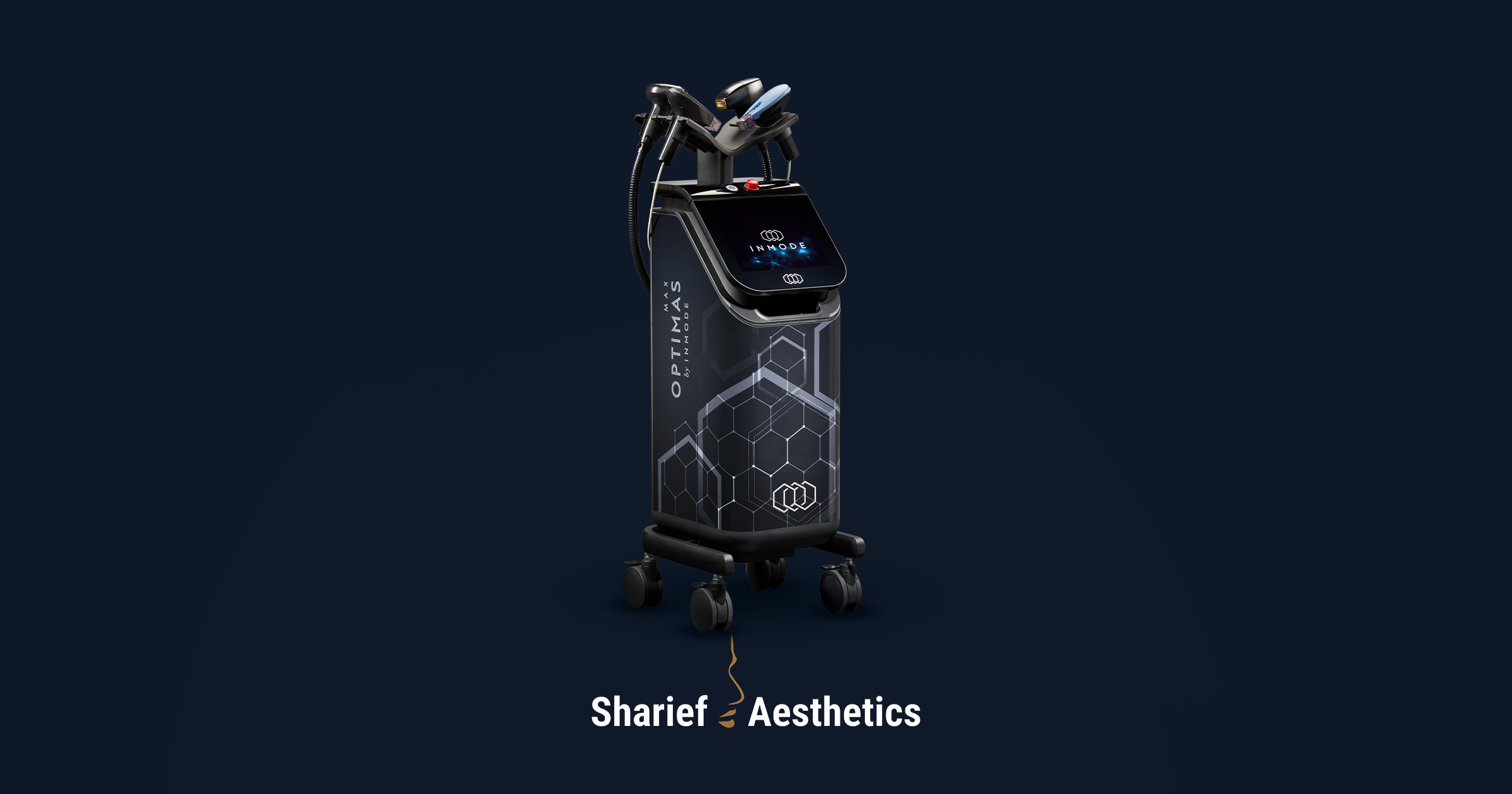
Why It Is Not Being Used
Clinics keep older platforms running for a long time, and there is a straightforward commercial logic to it. The equipment is paid for. It still works. Patients cannot tell the difference by looking, and the treatment is still sold under the same name.
I use one test, and it is not a commercial one. If a piece of equipment is no longer what I would want used on me, it is not going to be used on anyone here. That is the entire rule. Once I had treated with a handpiece that controls energy more precisely, continuing to use the one that controls it less precisely became a decision I would be making on the patient’s behalf, with their tissue, to protect my own capital investment. I was not prepared to keep making it.
So the older generation is not offered here at a lower price. It is not kept as a budget option. It is in a storage room, and it stays there.
Those platforms are still sold second-hand, and they are still in use. That is not a criticism of anyone — they were good machines, and they still work. It is simply not the standard we practise to at Sharief Aesthetics.
What Actually Changed
Precision, in two specific places, and more power in a third.
Morpheus8 Burst with Scale. Earlier radiofrequency microneedling delivered energy at a single depth per pass. Scale treats two distinct tissue layers in one pass, which means less bulk heat driven indiscriminately into tissue, fewer passes, and considerably more control over where energy goes and where it does not. Having treated with the earlier generation for years, I can say plainly that this is not a marketing distinction. It is the difference between heating a region and heating a layer. This handpiece alone justified the decision. Everything else came with it.
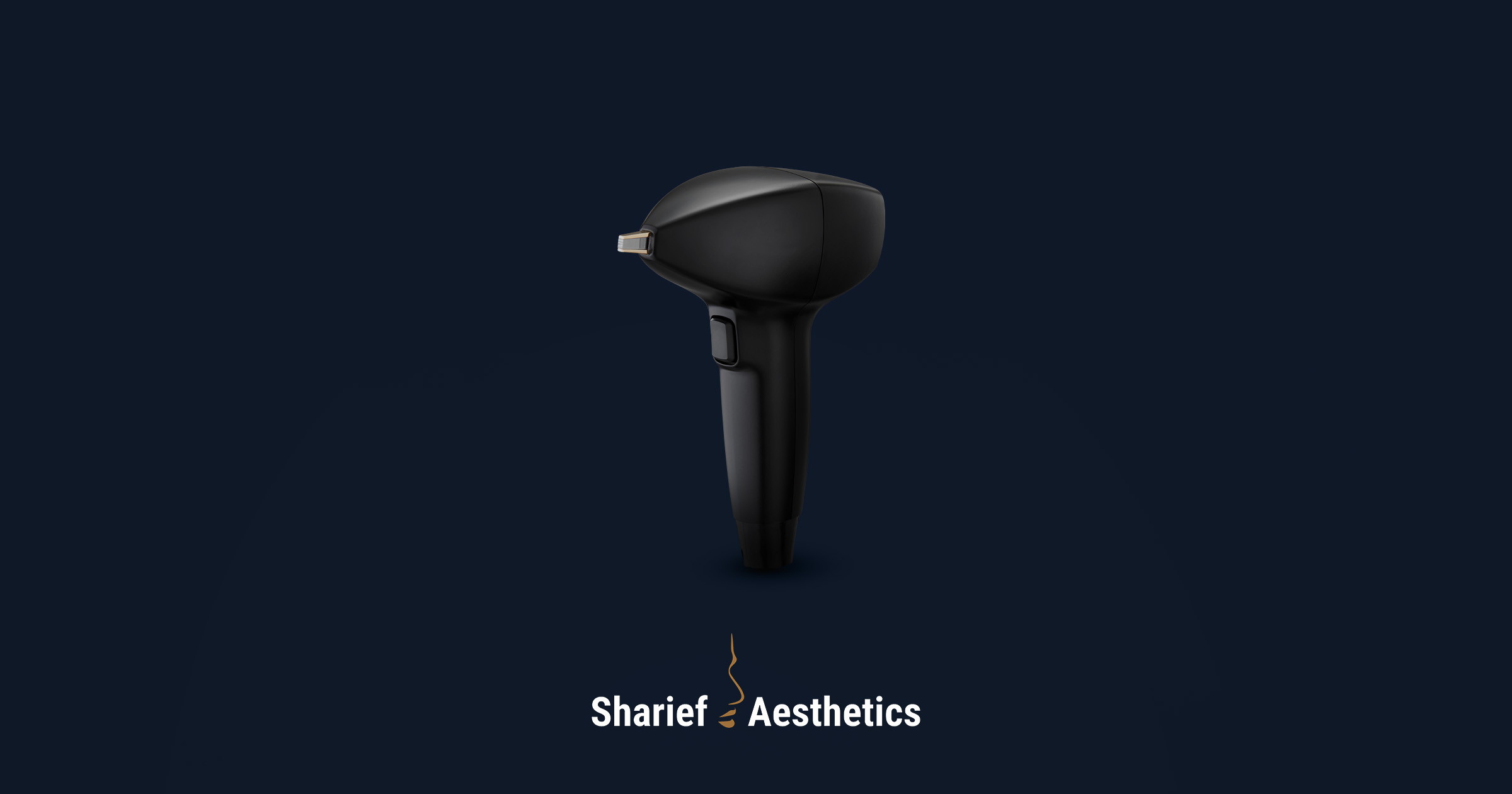
Morpheus8 Burst Deep. A separate handpiece with a 40-pin configuration reaching a thermal depth of 8mm, engineered for the abdomen, thighs and other body tissue. This matters more than it sounds, and I will come back to it.

The light handpieces. Lumecca Peak replaced the Lumecca 515 and 580 handpieces I ran previously, with substantially higher optical power. Fusion Light and Fusion Dark replaced the older hair removal laser, carrying multiple wavelengths so that hair can be treated across a far wider range of skin tones rather than one narrow band. Vasculaze MAX handles vascular work.
I want to be precise about this group. More power is an improvement, not a revelation. Patients feel it as fewer sessions, which is real and worth having. But if Scale had not existed, I would not have replaced working equipment for a power increase alone.

The Timing
The older platform was not broken. By ordinary business logic it had years left in it, and the upgrade happened during the relocation of this practice to Halifax — the precise moment when the cautious decision would have been to wait a year and see how things settled.
I did not wait. I am aware that is not sound business advice. It is simply the same rule applied at an inconvenient time, and the storage room is the evidence that I apply it consistently rather than when it happens to be affordable.
The Question That Decides Your Result
This is the part that is useful to you regardless of where you are treated.
The conversation about aesthetic devices happens almost entirely at the level of brand names. A clinic has Morpheus8; a patient reasonably concludes that Morpheus8 is what they will receive. But the platform name tells you very little. What determines your result is which handpiece is loaded, which tip is on it, and how deep that tip physically reaches.
The facial tip bottoms out at 4mm. That is correct for facial dermal and subdermal layers. It is wrong for the abdomen or thighs, where the tissue is thicker and the target sits deeper — which is precisely why Burst Deep exists as a separate handpiece rather than a setting. Using a facial tip on a body is not a variation in technique. It is an instrument that physically cannot reach the tissue being treated, and no amount of skill compensates for that.
So the useful questions are not about the machine. They are:
- Which handpiece is being used on me?
- Which tip, and what depth does it reach?
- Why that depth for my anatomy rather than a shallower one?
You do not need to know the correct answer to benefit from asking. The quality of the answer is the information. A clinician thinking about your tissue can give all three plainly. One thinking about their equipment list will give you a brand name.
The Point
New equipment is not, by itself, a clinical argument. It becomes one only when a practitioner can say what specifically changed, why it matters for a particular patient, and — harder — what they stopped offering as a result.
Seven years on one manufacturer’s technology, with the previous generation retired rather than quietly kept in rotation, is what lets me answer all three. Take those three questions into any consultation, here or anywhere else. They will tell you more than any article about a machine, including this one.