The Truth About Injectables
In recent years, cosmetic injectables have been aggressively marketed as casual beauty treatments, pushed as lunchtime quick-fixes and treated like everyday commodities.
But let’s get straight to the truth: injectables are serious medical procedures. While much of the public's fear revolves around looking "frozen" or "overfilled," poor aesthetic results are actually the least of our concerns. The real risks of inexperienced injecting are severe medical complications.
At Sharief Aesthetics, we believe in radical transparency. Here is the clinical reality of what injectables are, how they actually work within your tissue, and why who holds the syringe is the single most important decision you will make.
The Clinical Breakdown: Tox vs. Filler
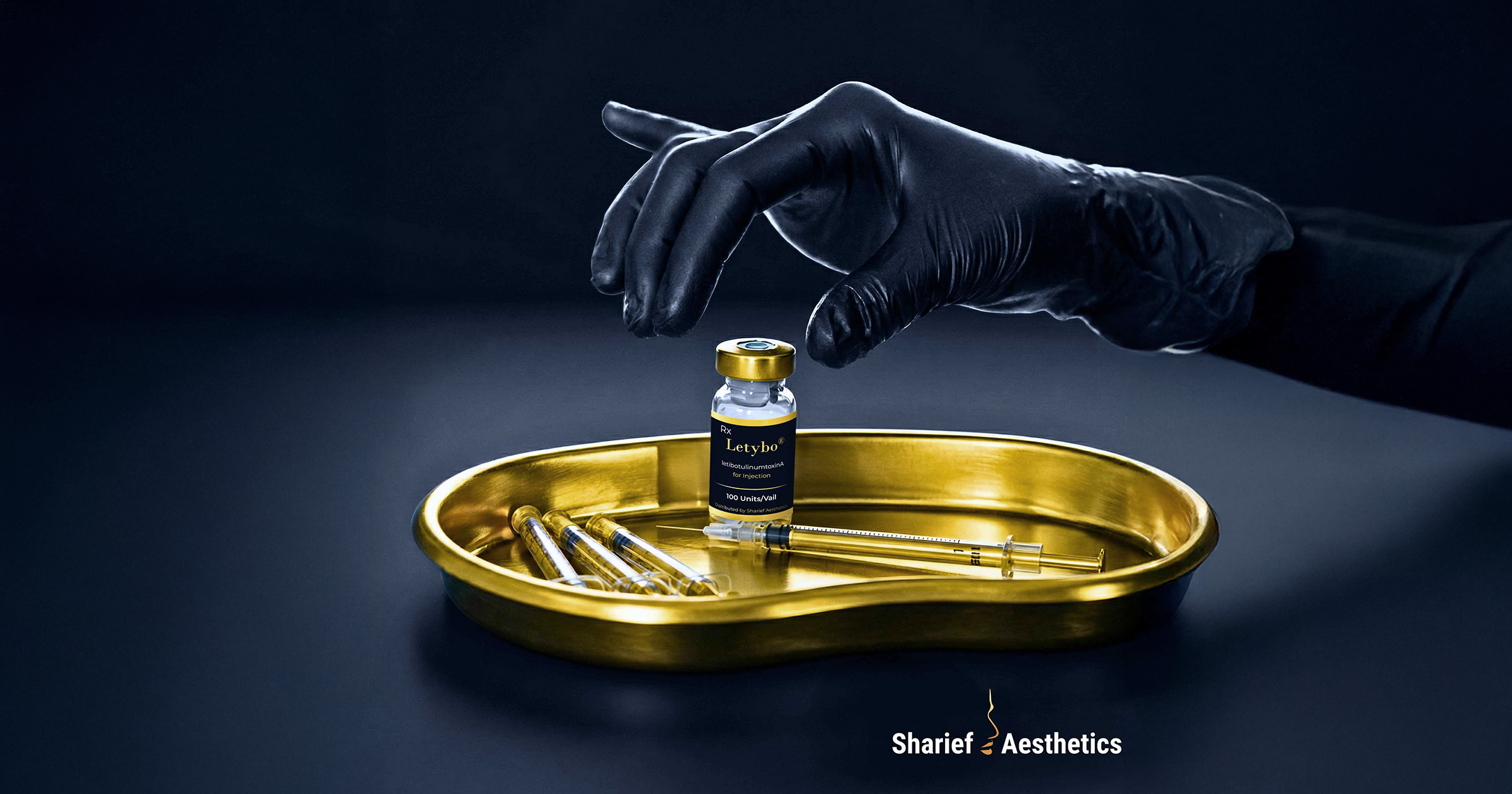
To understand injectables, you have to understand the specific job of the product. They are not interchangeable.
- Neuromodulators (Tox): The actual medical term for this is Botulinum Toxin Type A. You likely know it by its commercial brand names (Botox®, Dysport®, Xeomin®, or Letybo®). Think of these brands as different siblings in the exact same family. They are precise muscle relaxers injected directly into targeted facial muscles to temporarily interrupt the signal that causes them to contract, smoothing out dynamic wrinkles.
- Dermal Fillers: Fillers are a specialized, medical-grade liquid gel, primarily composed of Hyaluronic Acid (HA). Instead of relaxing a muscle, fillers restore lost structural volume. They are used to contour cheeks, plump lips, and support areas of the face that have hollowed out due to aging. Crucially, because they are made of HA, these fillers are completely reversible. If needed, a qualified medical professional can use an enzyme called Hyaluronidase to safely dissolve the gel.
The Science of Settling: The 30-Day Rule
One of the biggest misconceptions in aesthetic medicine is the expectation of instant perfection. The truth? Aesthetic medicine is a biological process.
When a liquid gel filler is injected, it does not instantly lock into its final state. Hyaluronic acid naturally attracts and binds to water. Over the course of 14 to 30 days, that gel needs time to attract hydration, integrate seamlessly with your natural tissue, and settle into its final shape. Swelling and minor bruising are natural biological responses. True clinical results require patience.
The Real Dangers of Unqualified Injectors
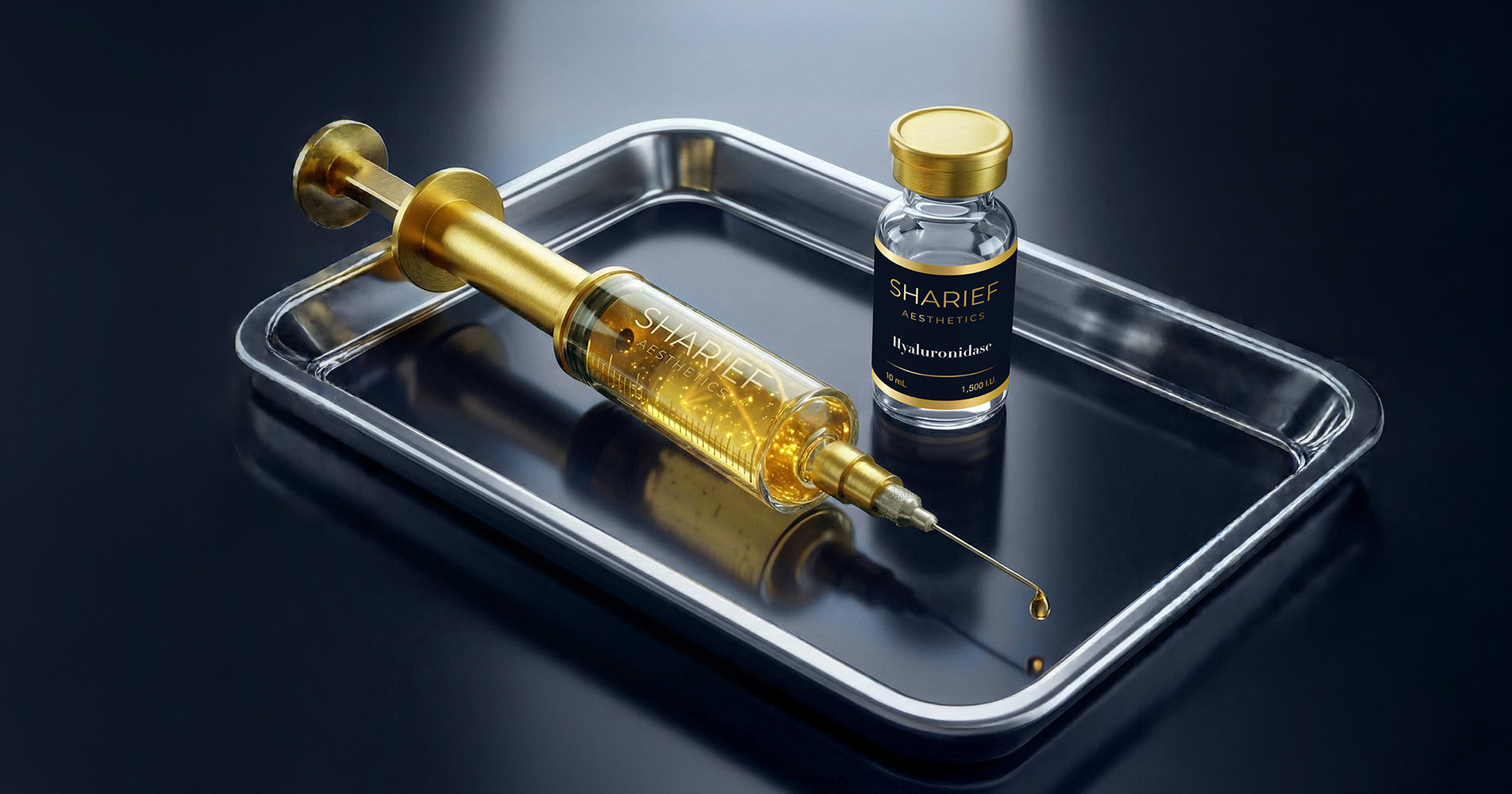
Because these treatments are so heavily normalized, we are seeing a terrifying rise in people ordering unregulated products online to inject themselves or their friends. Furthermore, many patients are trusting their faces to under-qualified practitioners who lack deep anatomical training.
This is incredibly dangerous. Your facial anatomy is a highly complex, interconnected web of nerves, arteries, and blood vessels. If a practitioner accidentally injects filler into an artery (a vascular occlusion), it blocks the blood supply. Without immediate medical intervention—specifically, the immediate injection of Hyaluronidase to dissolve the blockage—this can lead to tissue necrosis (permanent tissue death) and, in severe cases, irreversible blindness. Having Hyaluronidase on hand is a non-negotiable medical requirement.
Why Experience is Non-Negotiable
Even among licensed professionals, there is a vast difference between someone who can inject and someone who has mastered it. You cannot shortcut experience. It takes years of clinical practice, continuous anatomical education, and a refined aesthetic eye to consistently deliver safe, beautiful results while knowing exactly how to handle emergencies.
At Sharief Aesthetics, our standard is safety, anatomical precision, and subtle enhancement. We don't sell instant fixes; we provide expert medical aesthetics. Because the truth about injectables is that the product in the syringe is only as good as the professional directing it.
Patient education is the foundation of our practice. To explore how clinical injectables apply to your specific needs, contact the clinical team at Sharief Aesthetics.