The Truth About Subdermal RF
In the world of medical aesthetics, there has always been a frustrating gray area when it comes to rejuvenating the lower face and neck.
For years, patients dealing with jowls, a heavy jawline, or a stubborn double chin were forced into a difficult choice: invest in surface-level treatments that only offer mild skin tightening, or go under the knife for a full surgical facelift.
Recently, a new category of technology—known as Subdermal (Internal) Radiofrequency—has emerged to bridge this gap. But what exactly is it, how does it differ from the treatments you already know, and most importantly, who actually needs it?
As a clinic dedicated to clinical transparency, here is our objective breakdown of Internal RF, separating medical reality from marketing hype.
The Elephant in the Room: "Isn't this just Morpheus8?"
This is the most common point of confusion for patients. Both Morpheus8 and Internal RF use radiofrequency (heat) to tighten tissue, but they perform completely different jobs. To understand the difference, think of your face like a mattress:
- Morpheus8 (The Fabric): Morpheus8 uses microscopic needles that stamp into the skin from the outside. It is incredible for treating the "fabric" of the mattress. It smooths wrinkles, improves skin texture, and tightens mild surface laxity.
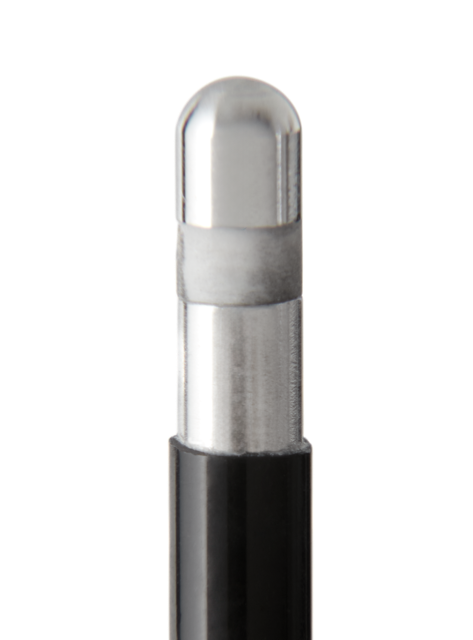
- Internal RF (The Springs): Internal RF does not stamp the skin. Instead, a micro-cannula (similar in size to a dermal filler needle) is inserted completely underneath the skin. It targets the deep "springs" of the mattress. It delivers heat directly into the fibroseptal network—the deep scaffolding of the face—to physically melt fat pockets and shrink-wrap the structural tissues from the inside out.
If Morpheus8 is ironing the fabric, Internal RF is tightening the foundation.
The Marketing Trap: The "Order of Operations" Myth
In an effort to keep patients in the medspa chair, many clinics market Internal RF as the "perfect solution for loose skin after Morpheus8." Clinically speaking, this is a backwards approach to human anatomy.
If a patient has heavy submental fat (a true double chin), trying to fix it with a surface device like Morpheus8 is like trying to fix a lumpy mattress by ironing the bedsheets. If a clinic sells you Morpheus8 for heavy lower-face fullness, and then later tells you that you "now need Internal RF to fix the remaining loose skin," they either misdiagnosed you from the start or are selling you unnecessary packages.
The true medical order of operations is simple:
- Step 1: Address the foundation first. If heavy fat and deep laxity are present, Internal RF should be used to melt the adipose tissue and structurally shrink-wrap the deep fascia.
- Step 2: Polish the surface. Only once the underlying foundation is physically rebuilt should Morpheus8 be considered to refine the surface skin texture.
Who is the Ideal Candidate?
Internal RF was invented for the "in-between" patient. It is specifically designed for people who have outgrown non-invasive treatments but are not quite ready for the extensive downtime, risks, or scars of a surgical facelift.
You are a potential candidate for Internal RF if you experience:
- The "Heavy" Jawline: You do not just have loose skin; you have actual weight and fullness pulling down the corners of your lower face, blurring your natural mandibular border.
- The Stubborn Double Chin: You have submental fat under the chin that resists diet and exercise, requiring both permanent fat reduction and profound skin retraction.
- Surgical Hesitancy: You want a significant structural change, but you refuse to accept the large scars, general anesthesia, or extensive recovery of a surgical neck lift.
The Honest Reality: Pros & Cons
Before being sold on the hype of any new aesthetic machine, patients deserve the objective truth about what to expect.
The Clinical Advantages:
- The "Scarless" Approach: Because the device enters through tiny pin-pricks rather than surgical incisions, there are no visible facelift scars around the ears.
- An Awake Procedure: It is performed in the clinic while you are comfortably awake, utilizing local tumescent numbing and oral sedation to avoid the systemic risks of general anesthesia.
- A Singular Intervention: Unlike surface lasers that often require a series of 3 to 6 sessions, Internal RF is designed as a single, structural remodeling treatment.
The Clinical Limitations:
- It Is Not a Facelift: If you have severe, hanging, redundant skin, melting the underlying fat will not fix it. A machine cannot act like a pair of scissors; it can only tighten what is there. For severe laxity, surgery remains the gold standard.
- The "Hidden" Downtime: Clinics often market this as "minimally invasive." While true compared to surgery, patients still experience significant swelling, bruising, and tenderness. True social downtime is 5 to 7 days, often requiring a compression garment.
- Delayed Gratification: You will not look better the next morning. It takes 3 to 6 months for your body to process the disrupted fat cells and build the new collagen that ultimately shrink-wraps your jawline.
The Sharief Aesthetics Verdict
At our clinic, we do not adopt technology simply because it is new or trending on social media. We adopt it when it proves to deliver safe, predictable, and superior anatomical results.
Subdermal Radiofrequency represents a fascinating, powerful evolution in lower face contouring—but it is not a magic wand, and it requires deep anatomical expertise to perform safely. We will continue to monitor the global clinical data and science on these devices.
Until then, our focus remains on proven, structural restoration. If you are navigating changes in your lower face and neck, book a consultation. We will provide an honest, anatomical assessment and guide you toward the proven treatments—or surgical referrals—that will actually deliver the results you deserve.